
What Happens at a Motion Hearing in a Kansas Criminal Case?
What Happens at a Motion Hearing in a Kansas Criminal Case?
Facing criminal charges in Kansas can feel overwhelming, especially when you are unsure what to expect at each stage of the legal process. One important step in many criminal cases is the motion hearing. Understanding what happens at a motion hearing in a Kansas criminal case can help you feel more prepared and confident about your defense.
At Law Offices of Randall J. Price, we provide legal assistance to the Wichita public and help clients navigate every phase of their criminal proceedings, including motion hearings.
What Is a Motion Hearing?
A motion hearing is a court proceeding where the judge considers specific legal requests made by either the defense or the prosecution before trial. These requests, known as “motions,” ask the court to make decisions about certain legal or procedural issues in the case.
Motion hearings often take place after formal charges are filed but before the trial begins. In some cases, multiple motion hearings may occur, depending on the complexity of the issues involved.
Common Types of Motions in Kansas Criminal Cases
Several types of motions may be argued at a motion hearing in Kansas, including:
Motion to Suppress Evidence
This motion asks the court to exclude certain evidence from trial, often on the grounds that it was obtained in violation of the defendant’s constitutional rights. For example, if evidence was gathered during an unlawful search or seizure, the defense may seek to prevent it from being used in court.
Motion to Dismiss
A motion to dismiss argues that the charges should be dropped. This may be based on insufficient evidence, procedural errors, or violations of the defendant’s rights.
Motion to Change Venue
If pretrial publicity or other factors may prevent a fair trial in the current location, a motion to change venue asks the court to move the case to a different county.
Discovery Motions
These motions address disputes over the sharing of evidence between the prosecution and defense.
What Happens During the Hearing?
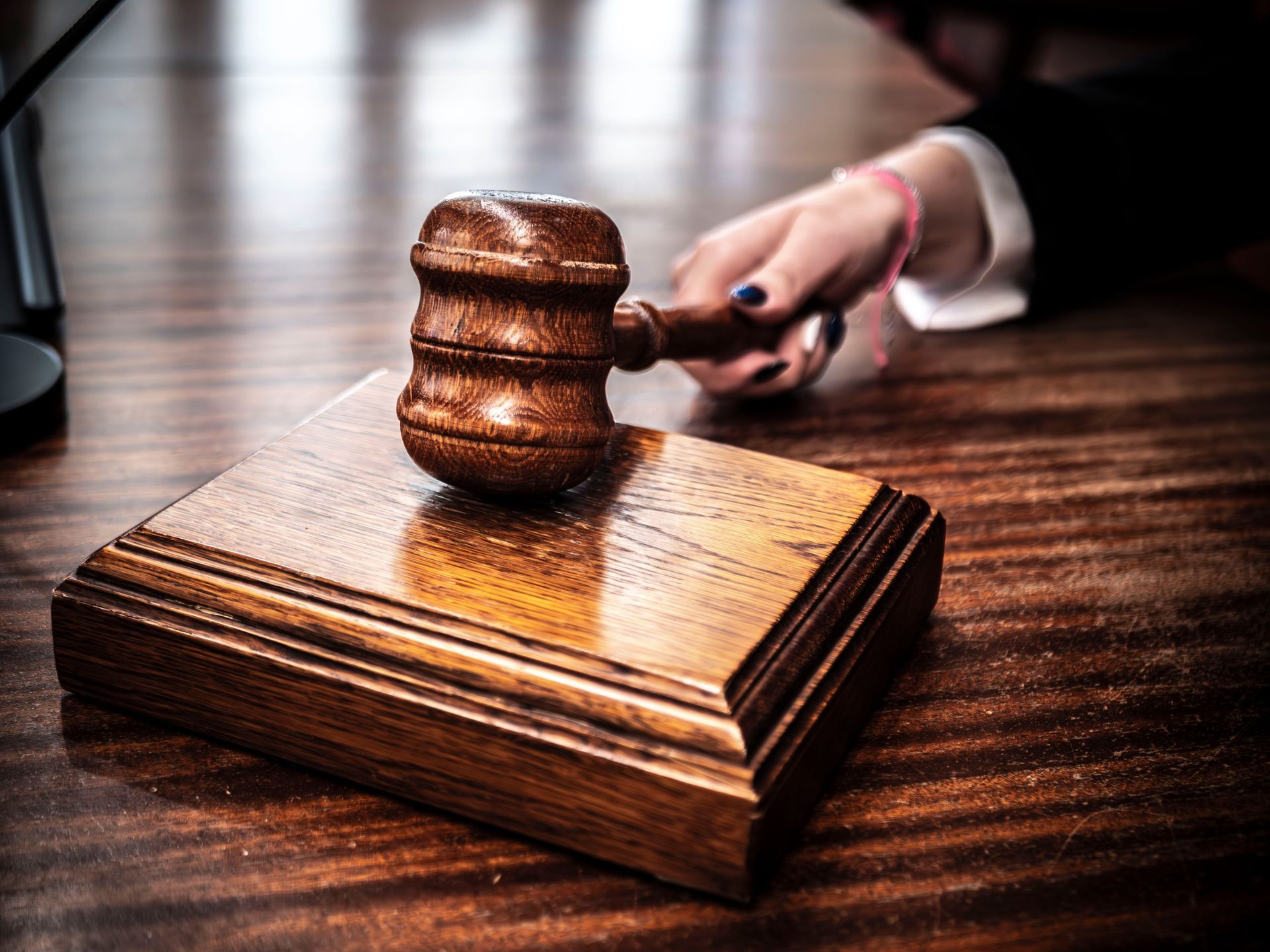
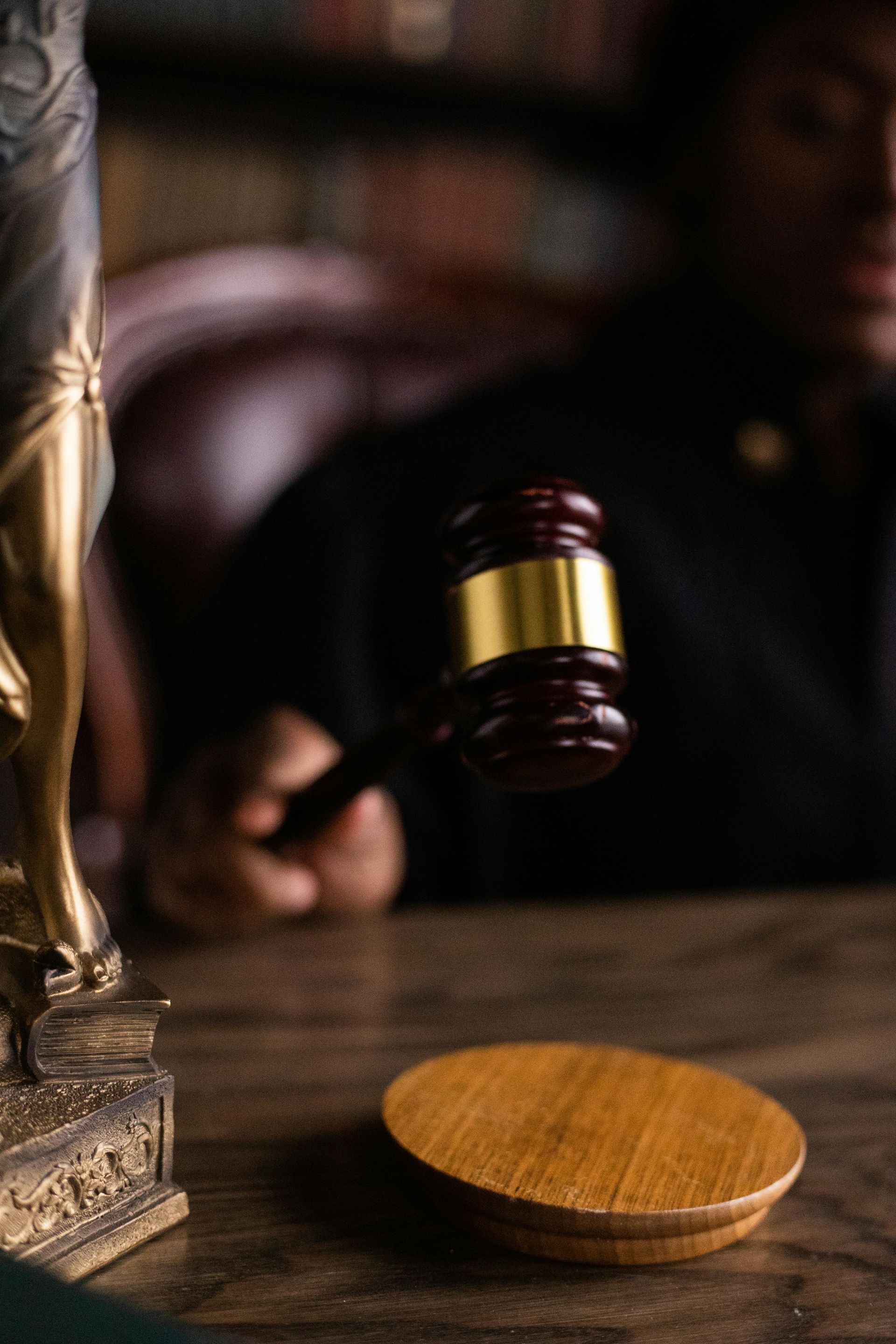
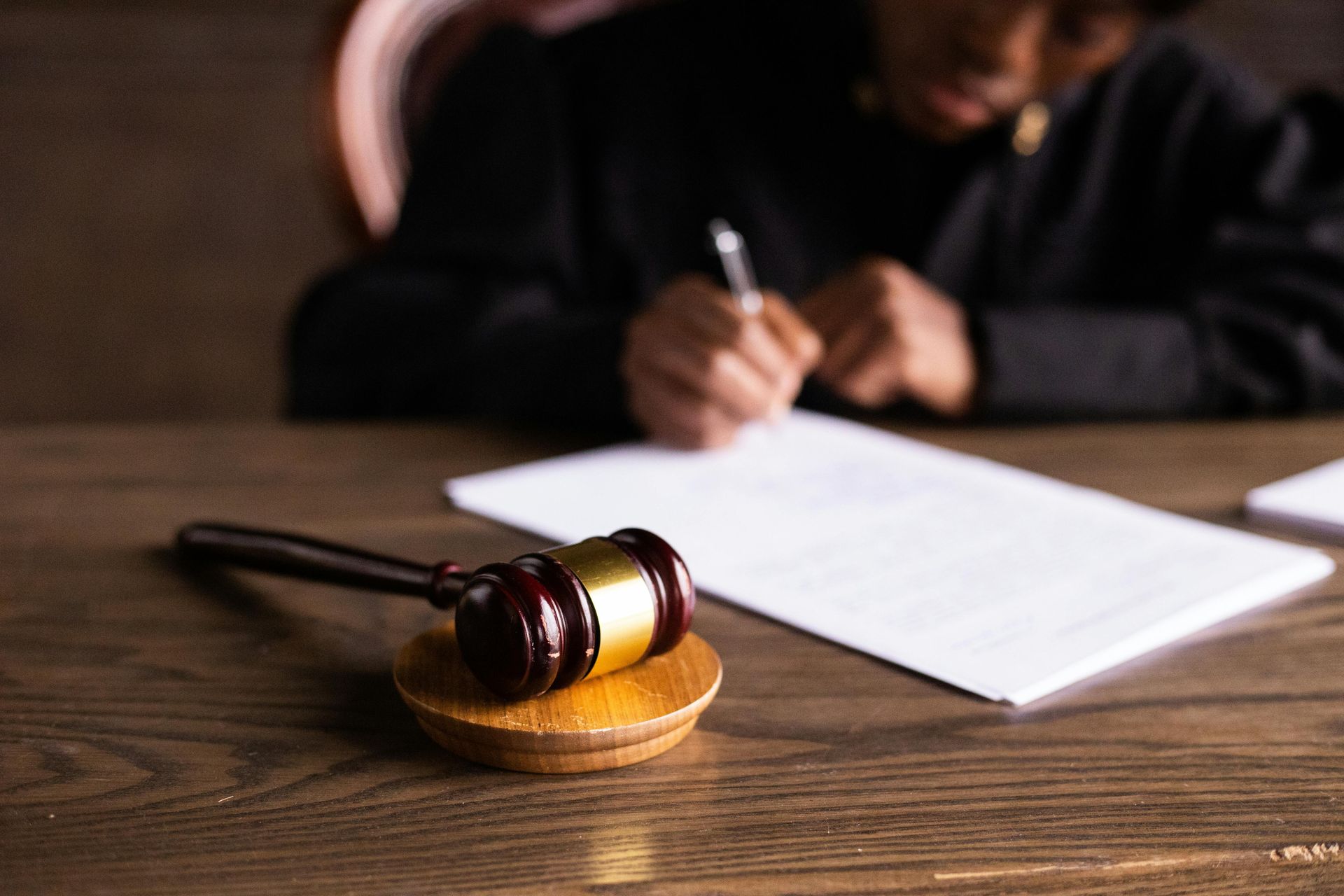
During a motion hearing in a Kansas criminal case, both sides present arguments to the judge. Unlike a trial, there is no jury present. The judge listens to legal arguments, reviews submitted documents, and may hear testimony from witnesses if necessary.
In some hearings, attorneys may question law enforcement officers or other witnesses about how evidence was collected. Each side has the opportunity to argue why the motion should be granted or denied.
After hearing arguments, the judge may issue a decision immediately or take the matter under advisement and issue a written ruling later.
How a Motion Hearing Can Impact Your Case
The outcome of a motion hearing can significantly affect the direction of your case. For example:
- If key evidence is suppressed, the prosecution’s case may become weaker.
- If a motion to dismiss is granted, the charges could be reduced or dropped entirely.
- If a motion is denied, the case will typically proceed toward trial.
Even when a motion is not granted, the hearing can provide valuable insight into the strengths and weaknesses of each side’s case.
Why Legal Representation Matters
Motion hearings involve detailed legal arguments and procedural rules. A well-prepared defense can make a meaningful difference in the outcome of these proceedings. Careful review of evidence, identification of constitutional issues, and strategic legal arguments are critical components of a strong defense.
At Law Offices of Randall J. Price, we assist clients in Wichita by thoroughly evaluating their cases and advocating for their rights at every stage, including motion hearings.